
Tenby Point – The Jetty and the Mangroves
We had arrived just in time. The high tide was starting to recede giving us easy access to the beach yet there was still enough water covering the base of the jetty posts.
If you arrive at this destination at the wrong time you’ll find sticks in mud.
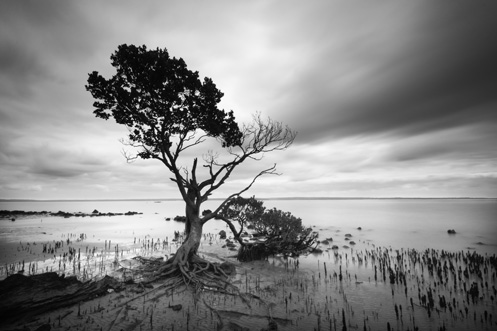
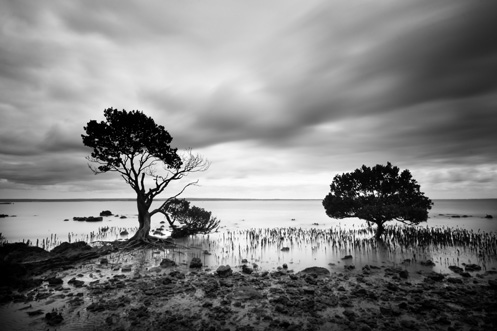
Below – Two images of the Tenby Point jetty remnants.


Pictured below – On the way back to the car park the water had receded enough to reveal the tangled root system on this Tenby Point icon.
Rye back beach – The Dragon’s Head and the Pod
A few images of the rock formations at the Number Sixteen beach at Rye.
Pictured below – The Dragon’s Head rock, initially named by a local with a fertile imagination.
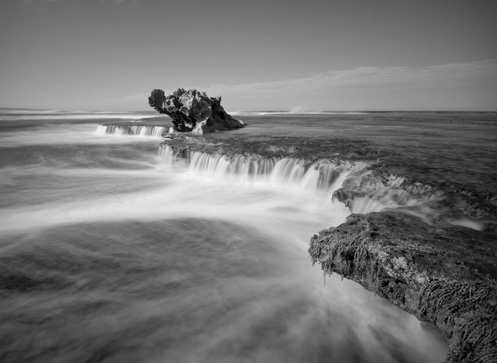
Below – The Pod, ….well I had to call it something since all of the good names like Dragon’s Head had already been snapped up.

Below – Water flows off the rocky plateaus returning to the ocean.
Click to enlarge.

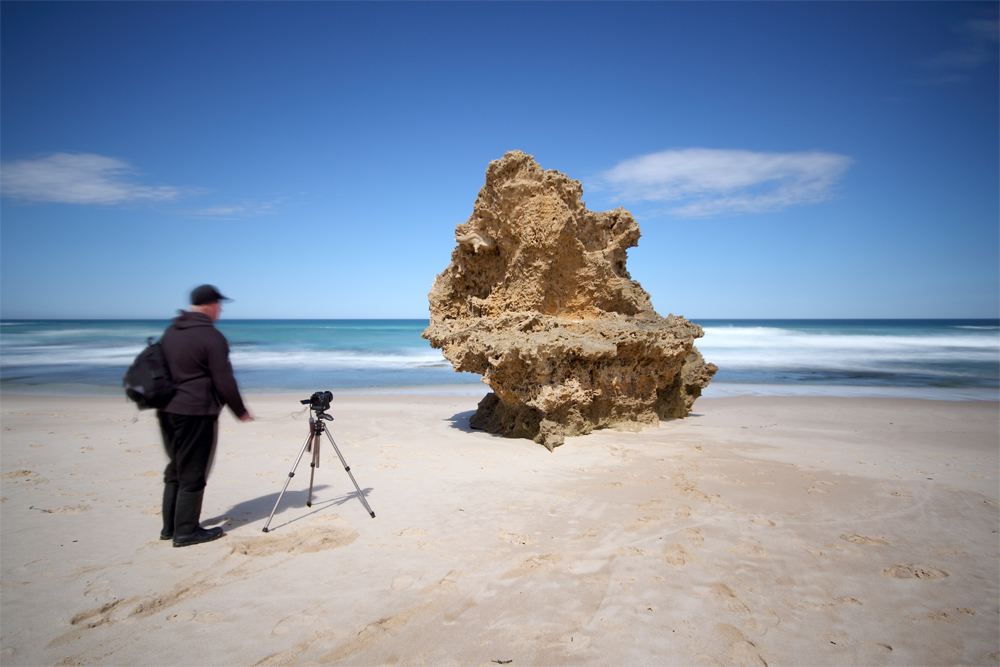
Below – A couple of images of my friend lining up his gear for the money shots.

The Pinnacles Facebook Excursion – Phillip Island
In mid July I tried something new. I arranged a photography excursion to the Pinnacles at Phillip Island and posted the idea on Facebook as a public event. By August 4th, the day of the excursion, there were 16 people confirmed as going and a few more “maybes”.

I had a realistic expectation that perhaps half of those who had confirmed would actually show up on the day. Imagine my surprise when all who had confirmed actually DID show up at the meeting place.
It was the start of a wonderful excursion with like-minded people, most of whom I had never actually met before and I only knew via Facebook.

We couldn’t have asked for a better day in the middle of a Melbourne winter. Both the weather and tides worked in our favour and all of the participants seemed to come away from the day pleased with the experience.

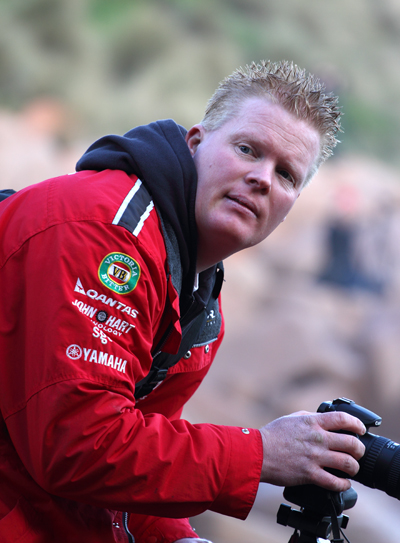
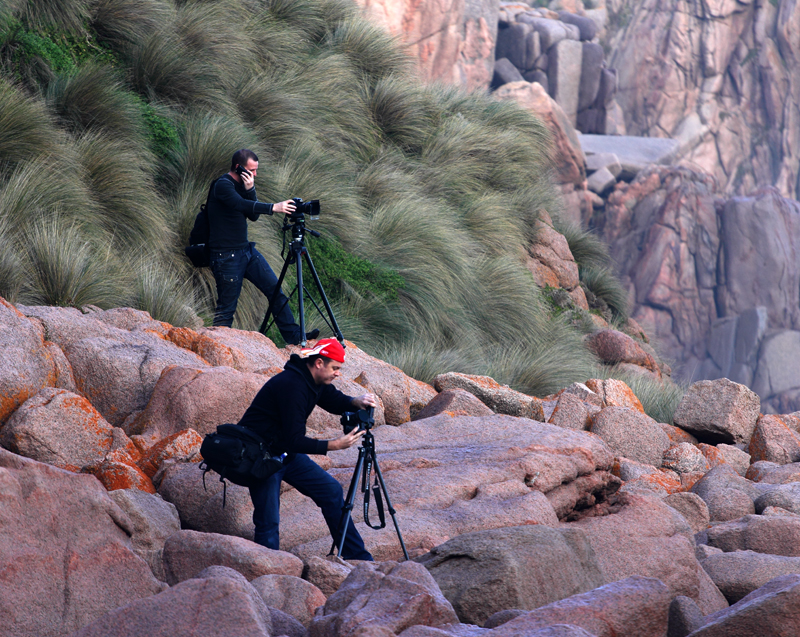
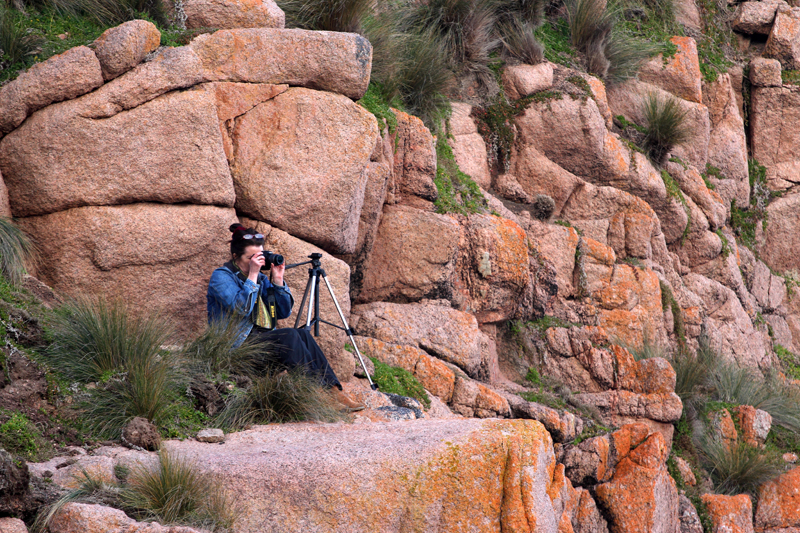
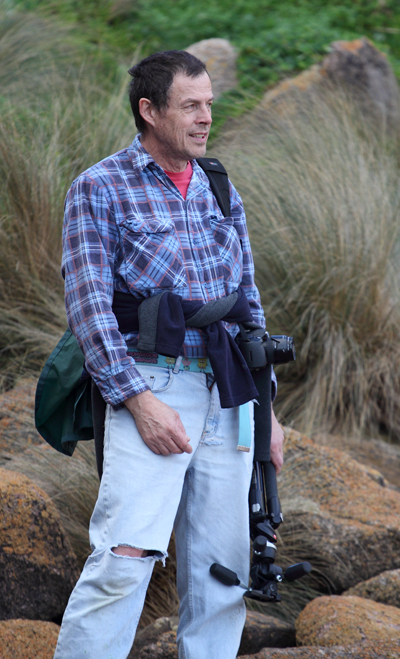
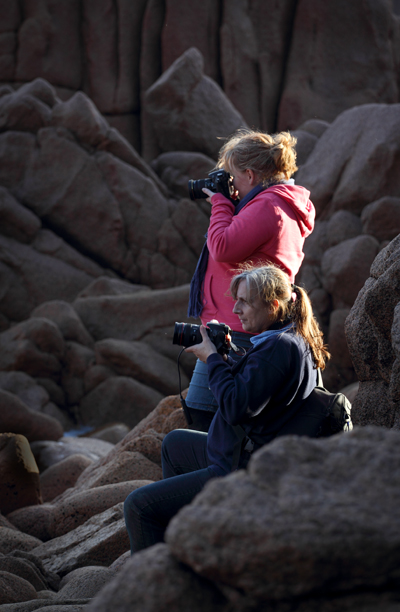
Following are snapshots of some of the participants enjoying the day at the Pinnacles beach. If you have a Facebook account you can view more images from the event here.



 </a
</a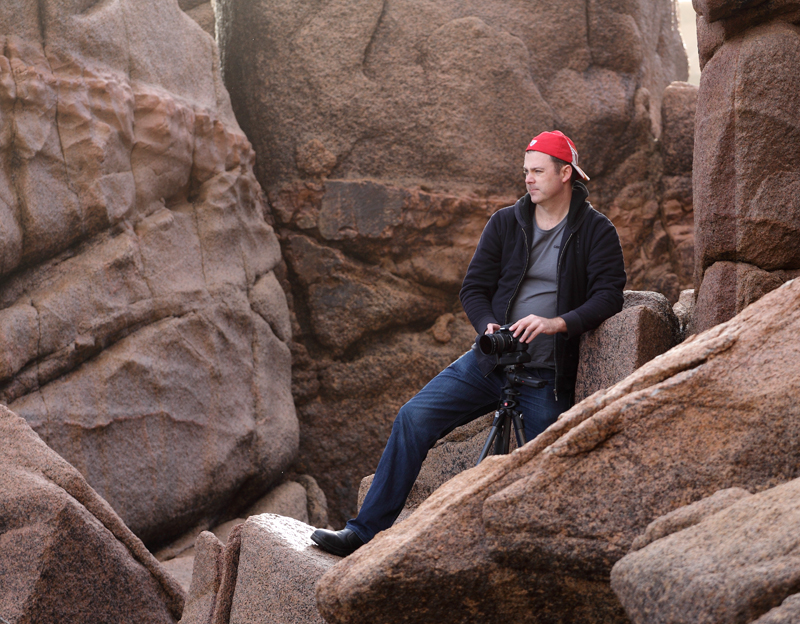 >
>




A Sunset at Tooradin
A couple of images taken as the sun disappears below the horizon at Tooradin foreshore, Western Port Bay.
Pictured below – At high tide a mangrove sits semi submerged in the foreground as day gives way to night.

Below – A view from the Tooradin jetty looking back upstream towards town.

Thunder in the Air – Outdoor Dunny
This is an image I captured during an excursion through northern Victoria quite some time ago. At the time I didn’t bother to post it in my blog because I didn’t think there would be much interest in it.
Boy was I wrong, …this is currently one of the best selling images on my Zazzle site.
Who would of thunk it?

Cape Liptrap – the Lighthouse and Beach
Exploring Cape Liptrap turned out to be one of the most physically punishing excursions of recent times. The excitement of climbing up and down steep coastlines and rock hopping around the breaking surf tends to distract one from the punishment that the old leg muscles are receiving.
As I write this blog post, three whole days have passed since the excursion and my legs are still a bit wonky. 🙂
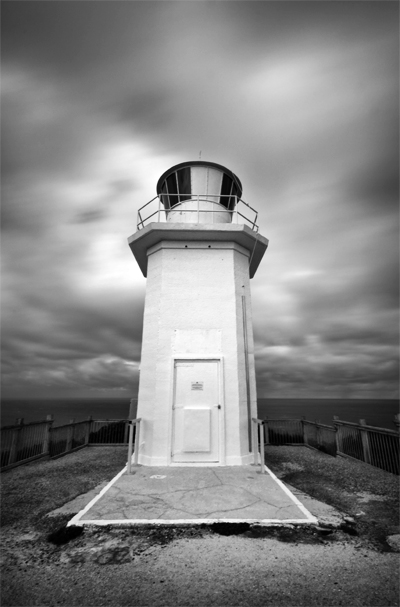
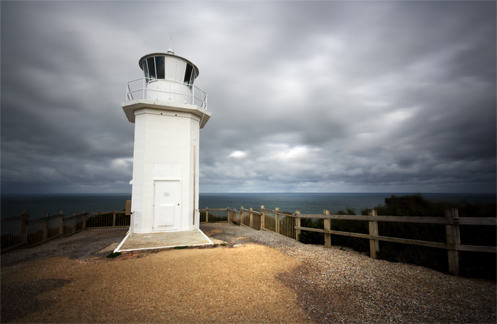
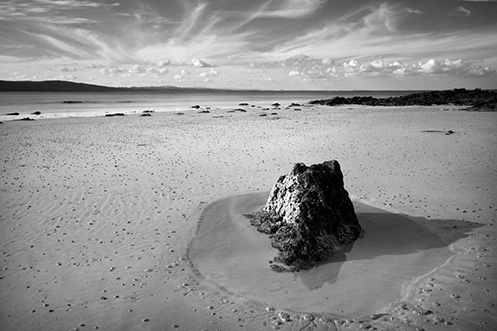
Pictured below – A long exposure black and white image of Cape Liptrap Lighthouse.
On the day we visited the cape, mother nature provided us with a sky full of interesting fast moving cloud, great for long exposure work.
If you’d like to see an alternative colour version you can see one here.
Pictured below – Cape Liptrap lighthouse captured with a 10-20mm wide angle lens. When I was processing the image I initially corrected the wide angle image distortion but then the image seemed to lose something so i decided to leave the distortion in.
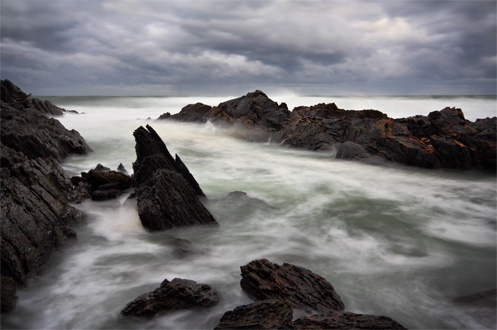
Pictured below – A long exposure image of surf crashing onto rocks along a section of the Cape Liptrap coastline.
Pictured below – A view from along the west coast of Cape Liptrap.

And now for some snapshots –
John sitting on the cliff contemplating his next shot.

Me sitting on the cliff overlooking the pointy end of Cape Liptrap.

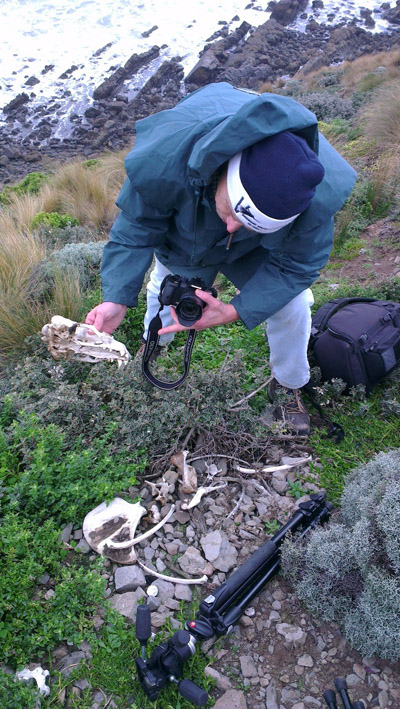
CSI officer John investigating the mortal remains of unspecified creature.
Me struggling up the steep banks of the coastline at Cape Liptrap.

Dalmeny Beach – Duesbury Headland
Following are a couple of images from Dalmeny beach in New South Wales.
The first image below was captured from the clifftop at Duesbury Headland, Dalmeny.
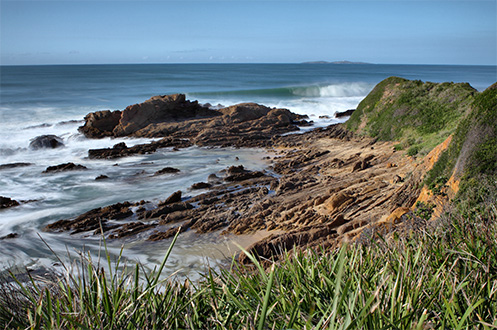
Below, a long exposure image taken amongst the rocks and surf at Dalmeny beach.

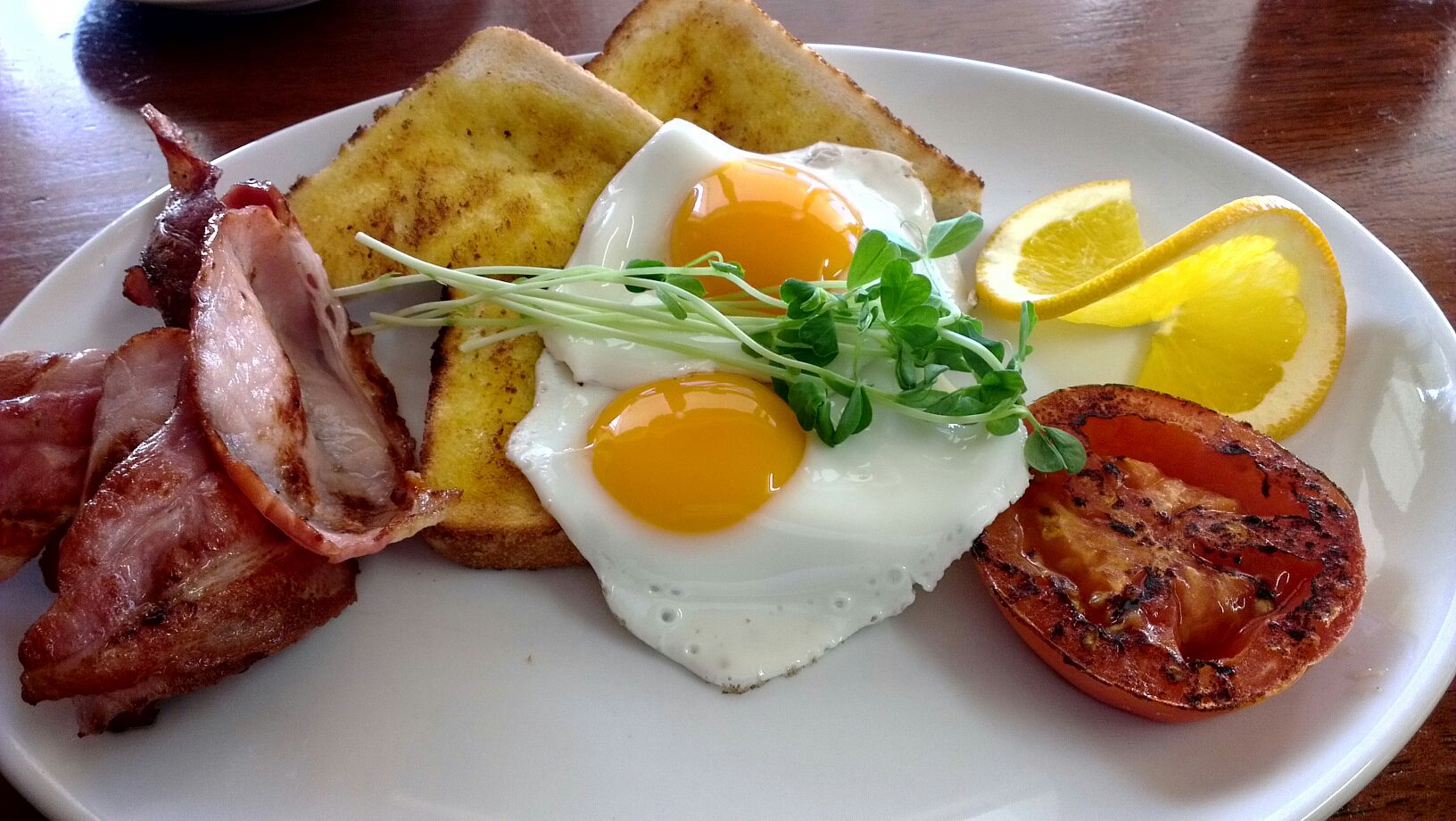
If you’re in the area around brekky time there’s a cafe on Dalmeny Drive called Anton’s just down the road at Kianga. I highly recommend their excellently presented eggs and bacon.
Have a look at this beauty below. Gorgeous isn’t it!
Mystery Bay – Ocean Mist in the Cove
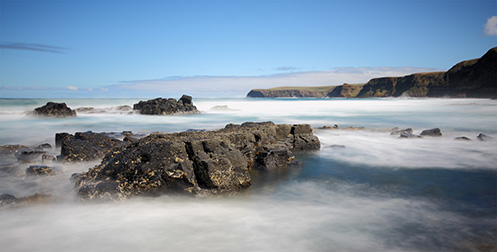
When visiting Mystery Bay in New South Wales I found this wonderful cove full of dark rocks. The cove is open to the ocean and is constantly hammered by incoming waves.
A long exposure here creates a nice contrast of textures between the rough jagged rocks and the softness of the mist created by the motion of the waves.


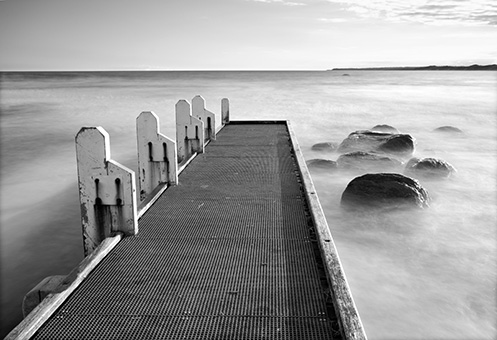
Cape Conran beach – the rockscapes and jetty
The beach at west Cape Conran offers an almost alien landscape populated with a huge array of highly eroded rocks. The jetty and boat ramp look out of place in this environment and so they tend to become the feature subjects of photographers who visit the site.
If you cant visit this site at sunset I’d recommend visiting during a day of high surf activity. The large waves crashing into these rocks create a really impressive scene.
I’m definitely going to revisit this location when I get the chance. There’s a lot to explore here.



On the Beach at Narooma
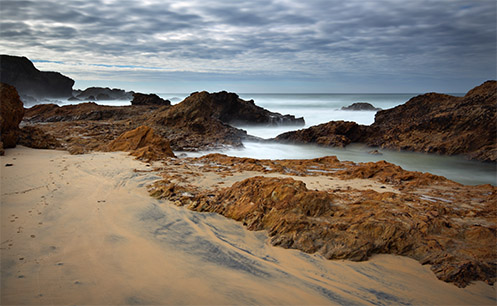
I was fortunate to stay in the town of Narooma in New South Wales for a couple of days on a recent trip up the coast.
Narooma is home to some interesting natural rock formations along the ocean beach. When combined with some great surf the photo opportunities are plentiful.



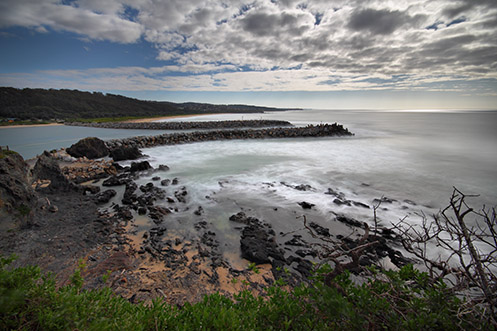
And finally, a man made rockscape in Narooma, the Wagonga Inlet.
The View from Bushrangers Bay
The splendid view from Bushrangers Bay looking west just a few minutes before a drenching downpour.
Cape Schanck’s Pulpit Rock is on the horizon near the center of the image.

Click on the image to enlarge.
Cape Schanck – Splendour in the Surf
A long exposure image of the surf pounding away at Pulpit Rock, Cape Schanck, Mornington Peninsula.
This place is always a wonderful reminder to me of the power of the ocean. Visiting the rock shelves here is truly exhilarating.

Tea Tree Creek – Death of the 40D
It was one of those days that I’ll remember for a long time.
Whilst shooting on a rocky plateau at Tea Tree Creek beach at Flinders I carelessly let my guard down.
An unusually high rogue wave struck the face of the plateau and poured down upon me.

My workhorse camera, the Canon 40D, had experienced some salt water splash in the past but nothing like this.
Today was the day he ingested way too much salt water. He coughed and spluttered, ….and died.
Luckily my wide angle lens seems to have survived the ordeal with only some minor salt water spots inside the focal range window. The glass inside seems to be clear,…PHEW!

These images were thankfully retrieved from the camera’s memory card despite it’s convulsions.
A Stroll on Shelley beach – Portsea
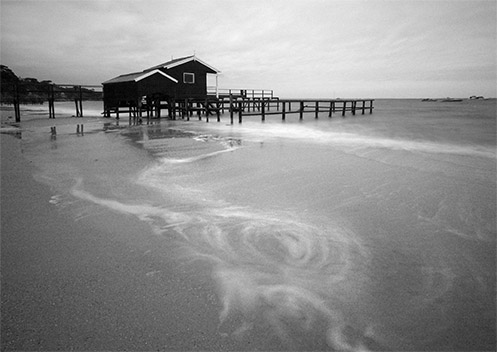
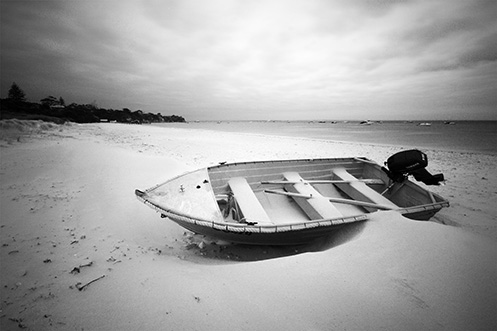
A couple of images from a recent stroll on Shelley beach, Porstsea, Victoria.
It was one of those great days for photography. The clouds were very heavy causing a nice subdued light.
The threat of impending rain also meant I had the beach to myself, ……nice. 🙂
Queensferry – a contrast of tides
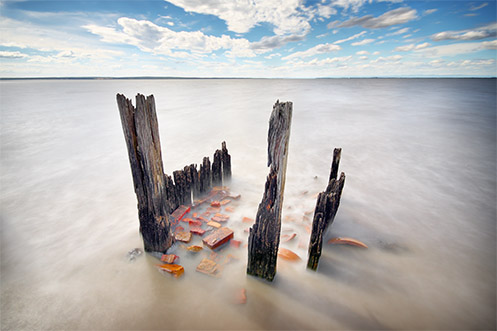
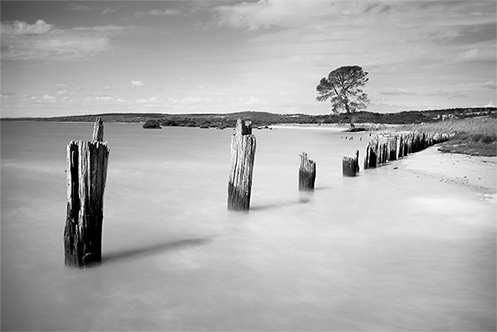
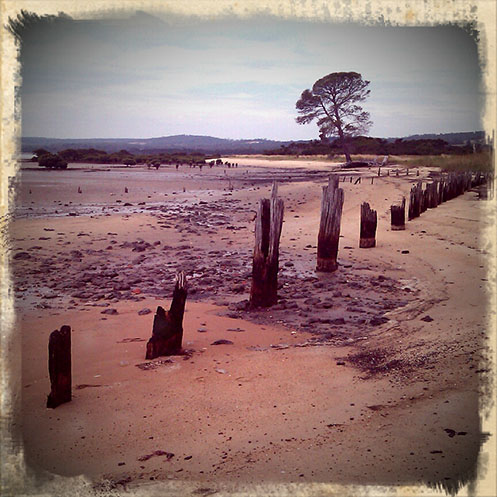
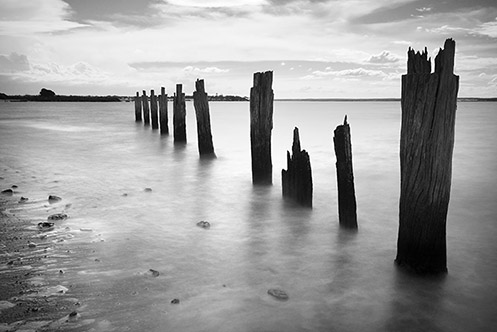
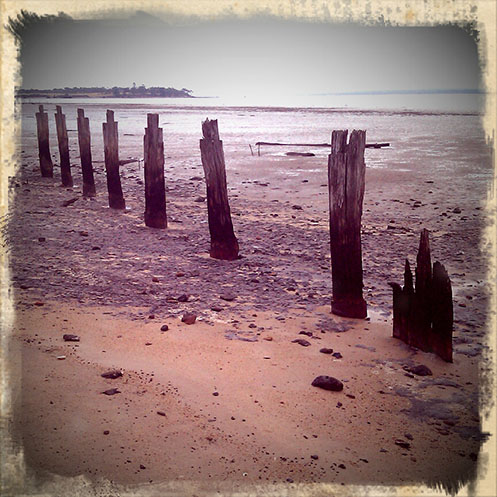
Following are a series of images from Queensferry, on Western Port Bay, demonstrating the area’s vast difference in appearance between high tide and low tide. The high tide images were taken using my 40D with heavy ND filtering.
The low tide images were captured a week earlier (as reference photos) using my phone camera and post processed using an Android app called Retro Camera.
Red Bricks 146



The Docking Station – Corinella
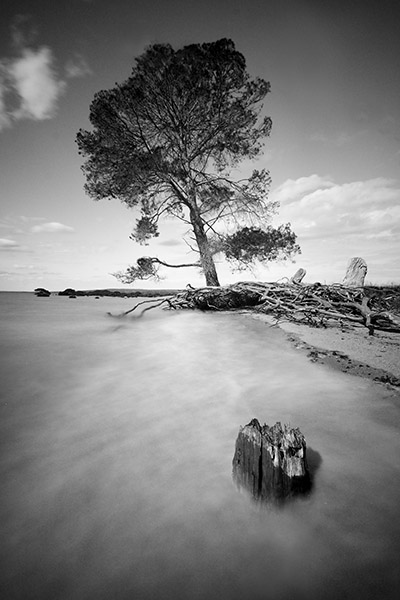
A high tide view of the docking station at Corinella. This is where the French Island barge docks to transfer vehicles and passengers to and from the mainland.
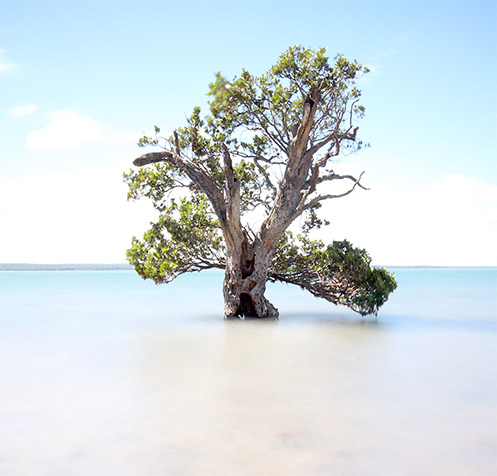
Below – Old Man of the Sea, an old mangrove tree just a stone’s throw away from the docking station.
Down the Tea Tree Creek Track – Flinders
The entrance to the track begins where Tea Tree Creek meets the Boneo Road.
The mowed walking path follows a gentle slope downhill alongside the creek gully and down towards the beach.
Upon arrival at the beach, visitors are welcomed by the presence of a rusty metal wheel nestled amongst the undergrowth.

East from here, the beach invites exploration for those willing to navigate across the black weather-worn rocks covering much of the beach.
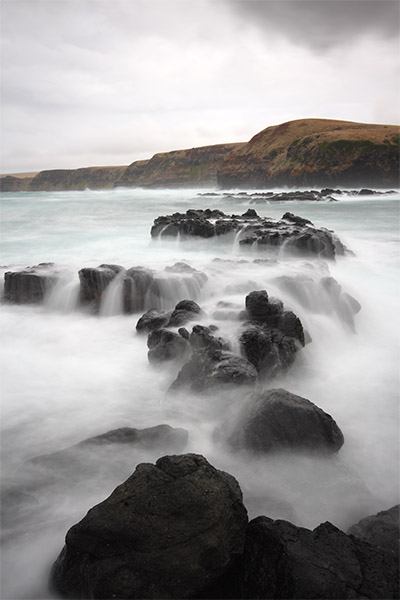
The area also offers an impressive selection of rocky plateaus which are sometimes exposed and sometimes dramatically washed by the relentless surf.

When exploring along this stretch of beach it’s a good idea to avoid an embarrassing or even life threatening situation by knowing what the tide is doing. Keep an eye out for the occasional rogue wave determined to sweep you off the rocks.

There’s an amazing amount to see, explore, experience and photograph here.
I’ll definitely be returning soon. 😉
Playing in the Wind – Flinders, the Blowhole Track
A selection of images from the beach at the end of the Blowhole Track at Flinders on the lovely Mornington Peninsula.
On the day I was there the wind was so horrendously strong I had to push down hard on the tripod to stop it from vibrating and blurring all of the long exposure shots.
Pictured below – Flinders Beach, the Blowhole Track.

A very picturesque coastline battered by the relentless surf.

Exploring the Pointy End of Phillip Island
I’d been to this part of Phillip Island on previous occasions but I loved it so much I thought I’d revisit.
That’s one of the joys of photography, you can visit the same location on several occasions and come away with completely different images each time.
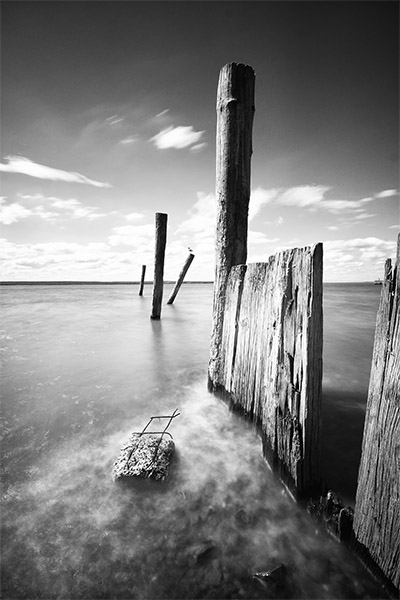
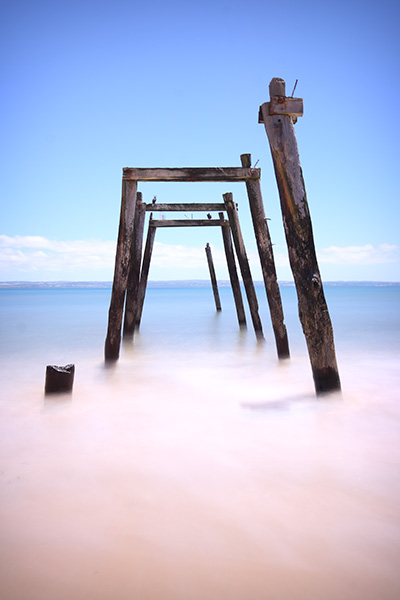
Pictured below – Old wooden remnants at Cat Bay, Phillip Island.


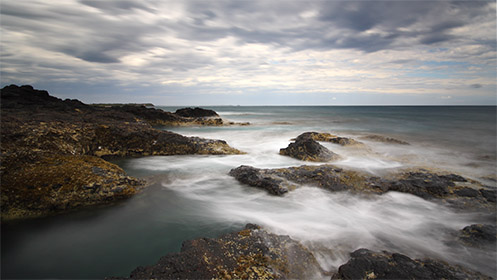
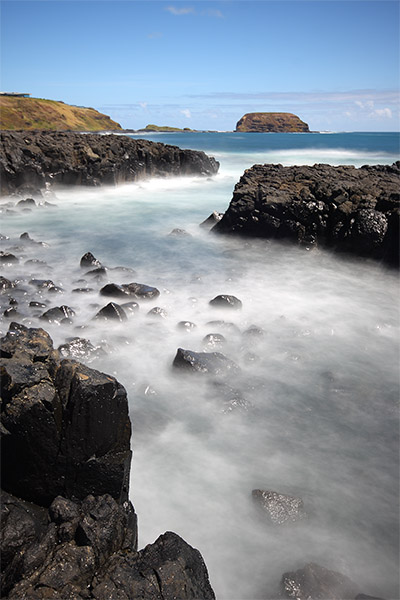
Pictured below – The beach at Right Point, Phillip Island, located between Cat Bay and the Nobbies. The violence of the ocean waves smoothed by the use of long exposure.

Sorrento to Queenscliff
The day started out well with brunch in Sorrento at the Buckley’s Chance restaurant with friends Christine and Caroline.
After being suitably fueled by brunch we strolled to the other end of town and boarded the Sorrento-Queenscliff Ferry for the short trip across the mouth of Port Phillip Bay to Queenscliff.
On arrival we departed the ferry to see what photographic treasures we could find along the beach.
Pictured below – Queenscliff Pier, shot in the early afternoon using an ND400 filter to extend the exposure time and soften the waves.
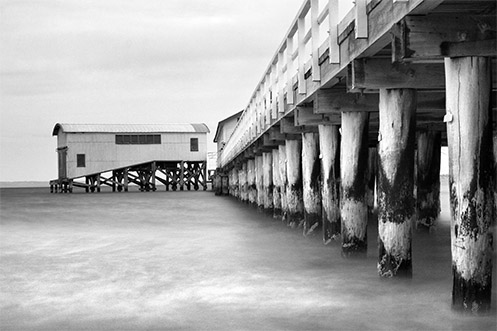
Pictured below – Evidence of Dredge, a pipeline from the offshore dredger snakes it way past heavy posts buried in the sand at the shoreline. The waves softened to a mist by the use of long exposure time.

Pictured below, an unusual long exposure action shot of the ferry departing the Queenscliff beach on one of it’s many return journeys to Sorrento.

Pictured below – Caroline and Chris explore the beach with a ship load of onlookers viewing from the top deck of the ferry.

Sorrento Back Beach
Shortly before xmas I took the opportunity to snap some images just before the summer “silly season” struck Sorrento.
I’m certain that one day the Sorrento/Portsea area of the Mornington Peninsula will become so heavy with tourists that it’ll snap off and fall into the sea.
Until that day I’ll continue to enjoy it as much as I can.
Pictured below – A couple of long exposure images from south-east of the main beach.
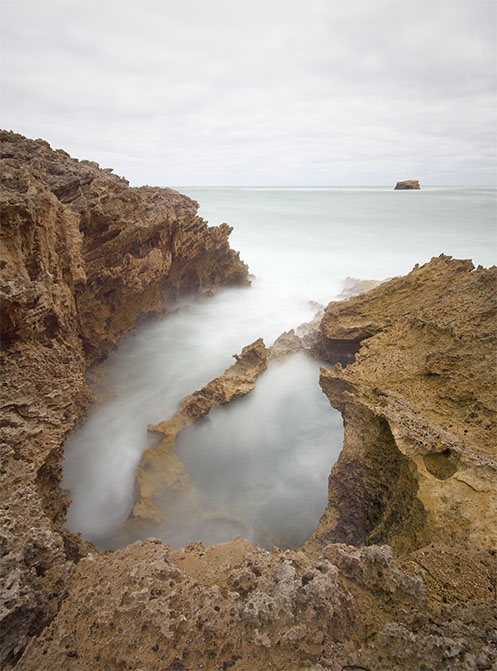
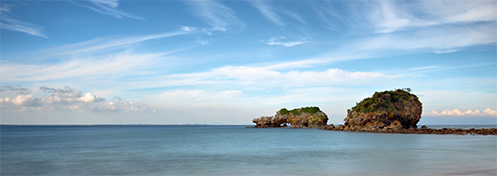
Pictured below – Bay of Islands – Sorrento
Located a short walk from the car park at the end of Diamond Bay Road.
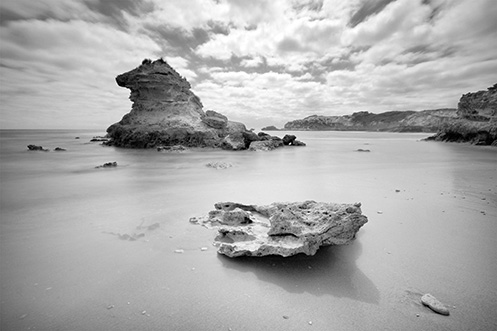
The Dragon’s Head at Number Sixteen
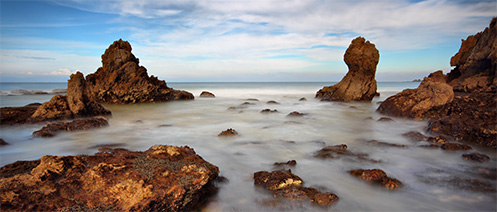
The Dragon’s Head rock at the Number Sixteen beach, Rye, has been a photographic target that I’ve been looking forward to shooting for quite some time. The last time I visited here I’d arrived a bit too late in the tidal cycle to safely explore the rocky plateau that surrounds the Dragon’s Head.
Today’s visit was executed with military precision. I arrived on the beach precisely at low tide, waded out to the Dragon’s Head through ankle deep water and excitedly set up my tripod. The ocean waves were crashing and rolling across the rocky plateau then cascading beautifully over the edge very close to the Dragon’s Head.
Being a big fan of long exposure images you can imagine my disappointment as I fumbled around in my camera bag trying to find my ND filters to fit the wide angle lens. They were no where to be found. I had left the filters behind at home, … they were attached to another lens. It was one of those forehead slapping moments.

In the absence of any suitably sized ND filters I decided to make the unique shape of the rock fill the frame in the image above rather than featuring the flow of water.
The next image below was taken from quite a distance back from the Dragon’s head using a 70-200mm lens. Fortunately I had a suitably sized ND filter for this particular lens so it was possible to soften the look of the flowing water. Unfortunately using the long lens meant that I wasn’t able to get the composition that I was looking for.
Lesson learned – double check the gear before leaving home, never assume!

Cyclical Rendezvous – water motion at Rye beach
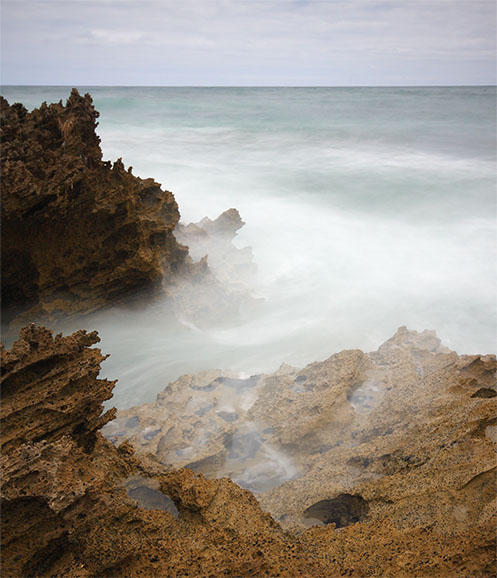
Pictured below, a long exposure image capturing the remnants of spent waves returning to the relentless ocean at Rye beach, Victoria, Australia.

Daytime experiments with the ND400 filter.
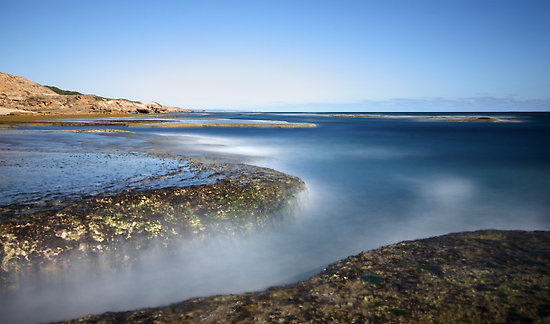
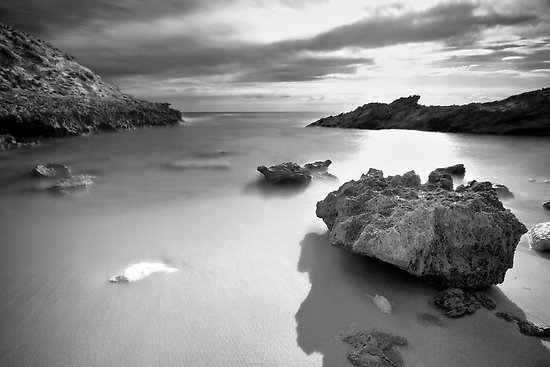
The following long exposures were taken during daylight hours using an ND400 and ND8 filter stacked together on the front of my Sigma 10-20mm lens. The combination of these two filters attenuates so much light that peering into the viewfinder reveals an inky blackness even during bright daylight conditions.
It’s therefore necessary to compose the image BEFORE screwing the filters onto the lens. It’s also necessary to adjust the focus manually since the auto-focus system has no chance of working under such conditions.
*** (Update October 2012) The introduction of “live view” to many DSLR cameras means that is’s no longer necessary to compose and pre-focus with the dark filters off the lens. I shoot all the time now using live view to peer through the combined darkness of an ND400 and ND8. The filters now stay on the lens which means there is a lot less fiddling around. If you’re looking for a guide to show you how to use an ND400 have a look at my recent blog post here.***
I found that if I set the ISO as low as possible, and set the aperture very small (i.e. a high number), then it was possible to obtain a shutter duration of about 3 minutes. Such long exposures during daytime create some interesting images. I’m looking forward to experimenting more with the ND400.



 Photography by Jim Worrall