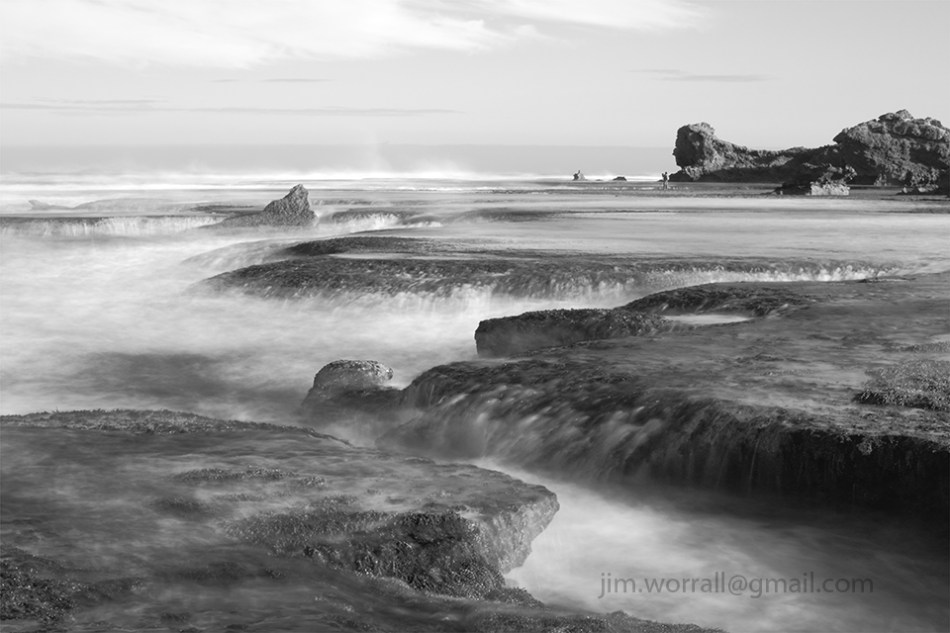
Images from the sand dunes of Mungo, NSW.



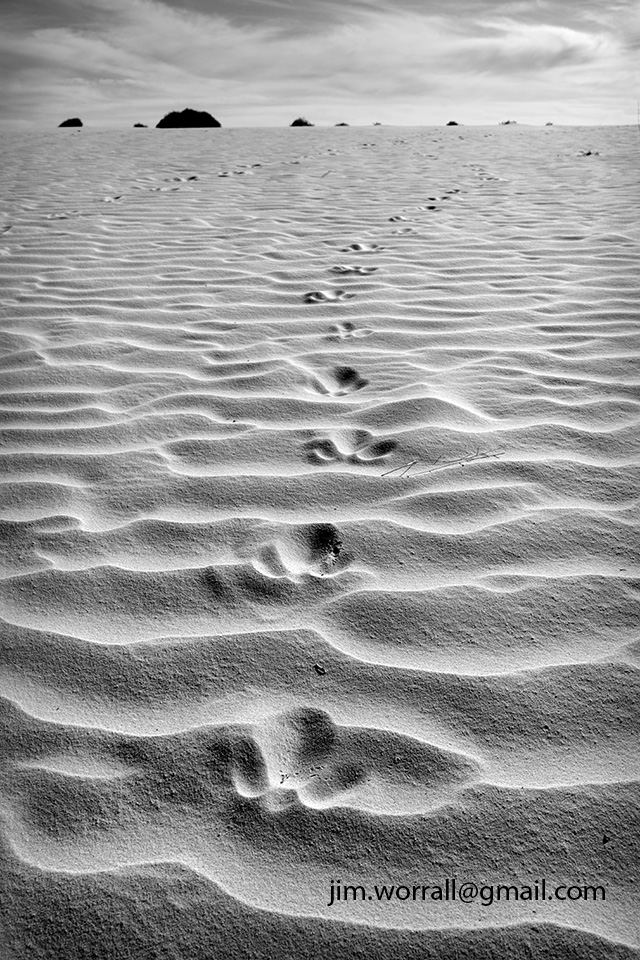


Images from the sand dunes of Mungo, NSW.
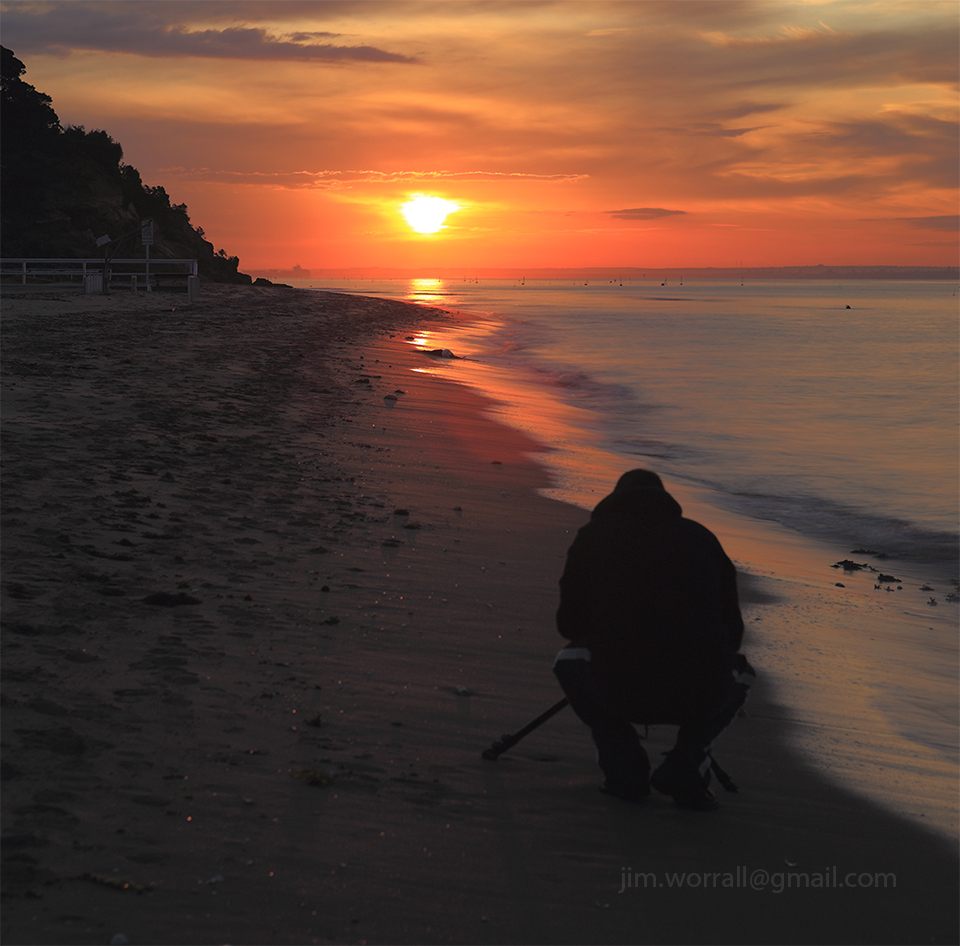
An early morning sunrise shot from Flinders Yacht Club on the Mornington Peninsula. The location is easily accessible, just a short walk south from the Flinders pier carpark.
Technical stuff – 2.5 secs f/16 with ND8 filter

Pictured below, a pre-dawn long exposure shot from Bridgewater Bay in Blairgowrie on the Mornington Peninsula.
Bridgewater Bay is accessible via a short walk from the carpark at the southern end of St Johns Wood Rd. Beach access is via a set of stairs. The best time to visit is at or near low tide when the rock platforms are exposed. Navigating the beach at high tide is problematic.
Tech stuff – 30 secs @ f/11
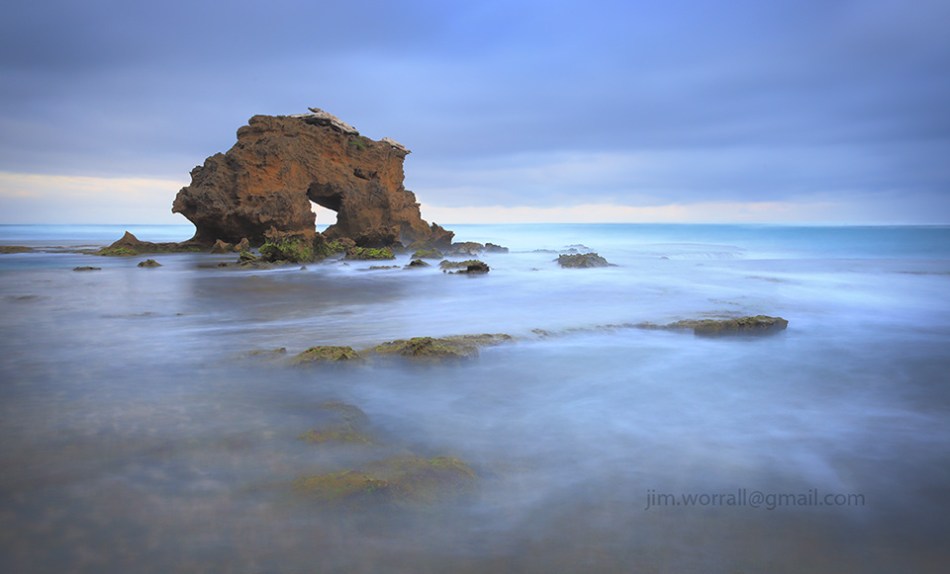
Pictured below, me shooting the bridge rock formation. Photo courtesy of friend Jason.

Pictured below, a couple of long exposure images of the jetty remnants at Cat Bay on Phillip Island.
Cat Bay is located close to the western tip of Phillip Island, near the Nobbies Tourist Centre. The beach is home for several species of birds including penguins. Penguin burrows can be found scattered all over the sandy dune areas just back a bit from the high tide line.
* Note: …..no those aren’t penguins sitting on the old jetty in the photos. 🙂
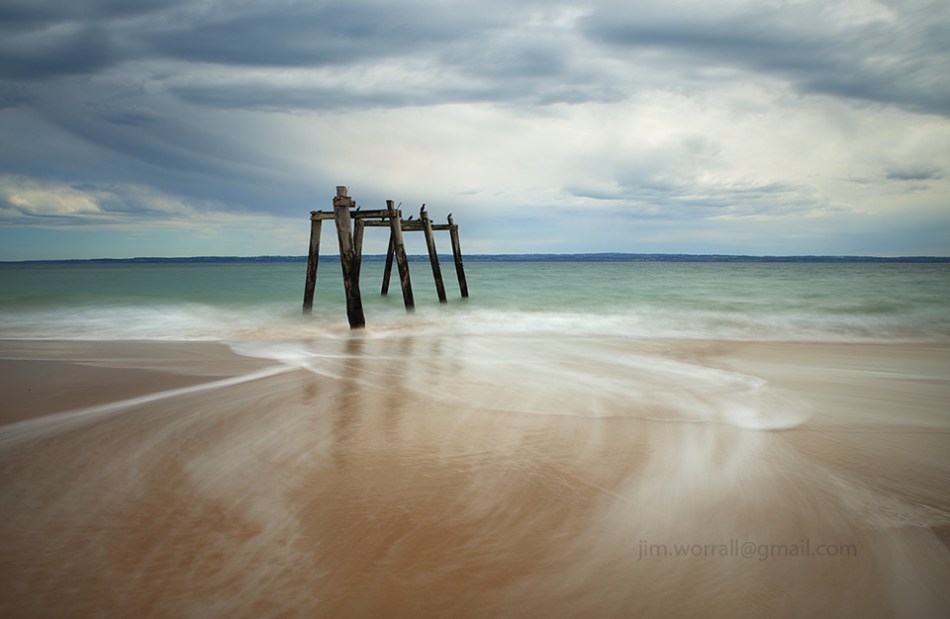
Tech info for the above image – 3.2 secs f/10 with an ND400 filter.

Tech info for the above image – 13 sec f/16 with an ND400 filter.
October is a wonderful time on the back beaches of the Mornington Peninsula. The rock platforms are transformed by a thriving carpet of lush greenery that’s only visible near low tide. The photos below were taken at the Bay of Islands, Sorrento, but similar sights can be found all along the Mornington Peninsula back beaches at this time of year.
To get to the Bay of Islands park at the end of Diamond Bay Road. The walking track to the observation point is short and well signposted. Jump the fence and climb down the well worn path to reach the beach. 🙂
Tech info for the photo below – 30 sec f/8 ND400 filter.

Tech info for the photo below – 30 secs f/7.1 ND400 filter

Tech info for the photo below – 30 secs f/10 ND400 filter

A pre-dawn long exposure image from Koonya beach at Blairgowrie on the Mornington Peninsula. The colour image was annoyingly way too blue and had a couple of mini star trails which were simply a distraction and had to go. 🙂
Koonya beach is located at the back beach end of Hughes Rd in Blairgowrie.

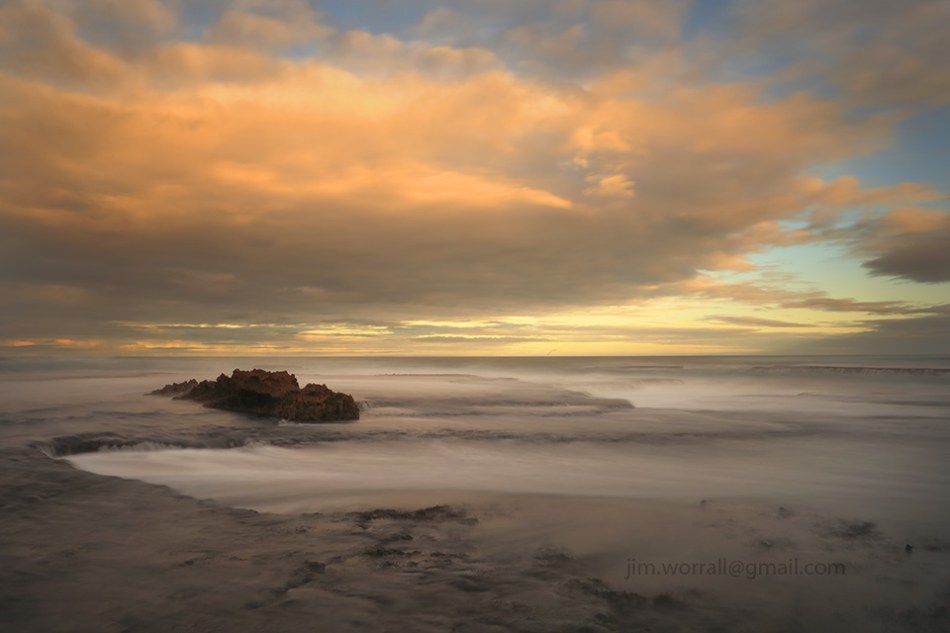
Here’s some images from a recent sunrise excursion to Number 16 beach at Rye on the Mornington Peninsula. The beach car park is located at the intersection of Tasman Drive and Marcia Ave in Rye. The best time to visit is near low tide when the rock platforms are exposed and the Dragon’s Head becomes accessible. Prepare to get your feet wet. 🙂
Pictured below – The Dragon’s Head – Number 16 beach.
Technical stuff – 20 secs f/20 using an ND400 filter.
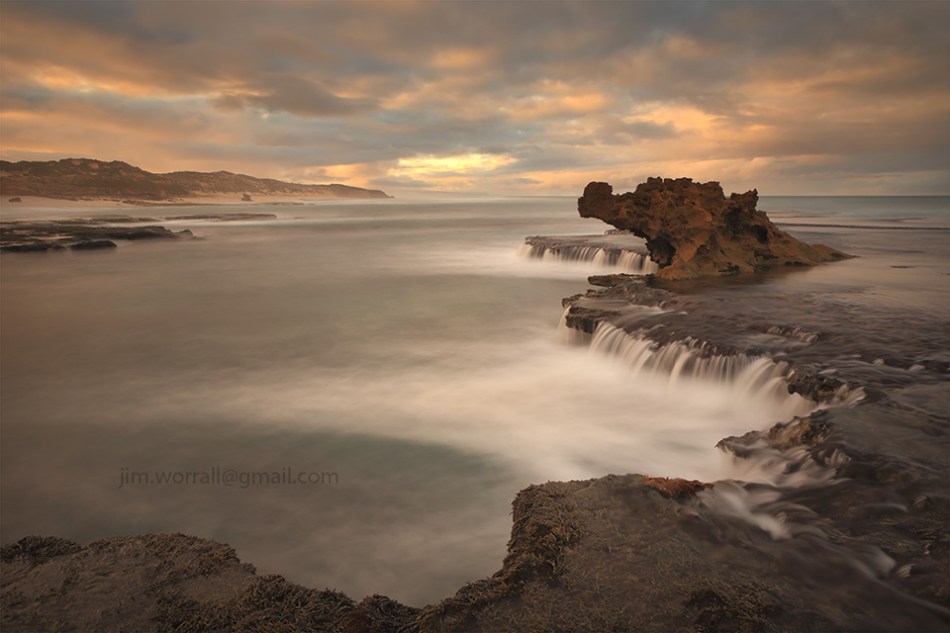
Pictured below – Number 16 beach – The Dragon’s Head.
Technical stuff – 8 secs f/5.6 using an ND400 filter.
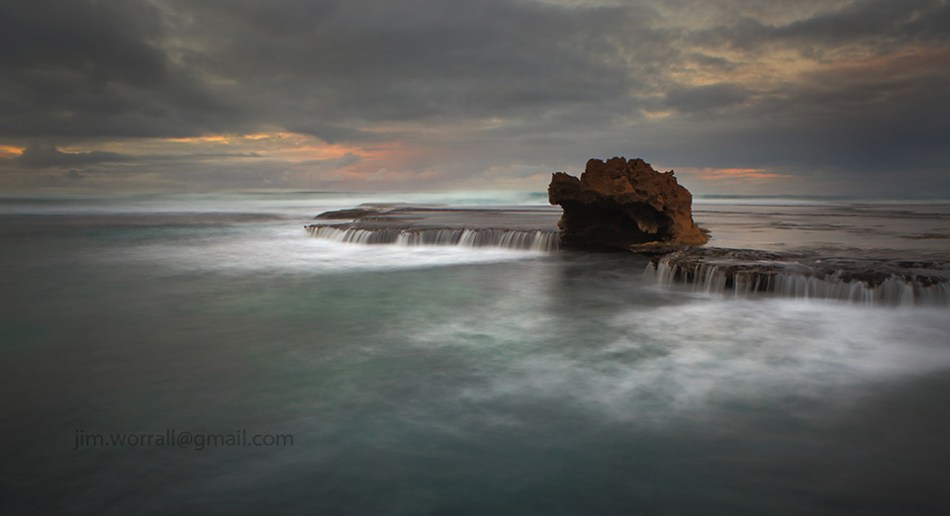
Pictured below – Sunrise at Number 16 beach.
Technical stuff – 25 secs f/14 using an ND400 filter.

Pictured below – Morning Glow at Number 16 beach.
Technical stuff – 20 secs f/20 using an ND400 filter.
Pictured below – To give some perspective, some fellow togs on the beach at the Dragon’s Head rock formation.

Pyramid Rock is another location I’ve returned to numerous times. To me it almost looks unreal, like something from a fairy tale. To visit Pyramid Rock, drive to the car park at the south end of the aptly named Pyramid Rock Rd. There’s a very civilized boardwalk that takes you to an observation deck for a nice view of the rock and some of the surrounding coastline.
Those who don’t mind a little bit of mountaineering might try for an even closer view by going off the beaten track past the observation deck. (Although I’m not sure what the park guidelines might say about that.) 😉
Pictured below – A long exposure image of Pyramid Rock. **Technical stuff – 160 seconds, f/2.8, using an ND400 and ND500 stacked together.**

Pictured below – A close-up view of the rock. What a surreal spot! 🙂

I’ve visited the SS Speke shipwreck numerous times now. It’s a magical place at high tide with the rusty remnants of the wreck poking up through the surface of the shallow water. When the tide turns, the water quickly recedes and the wreck becomes fully exposed revealing it’s harsh rocky resting place.
To visit the SS Speke, park your car at the south end of Kitty Miller Rd. When you arrive on the beach turn left and walk around the point. The easiest way around the point is over the top and along the grassy cliff tops. There’s a well worn path to guide you to the Speke. The descent down the side of the cliff to the beach can be a bit slippery in wet conditions, ….which just adds to the adventure. 🙂
Picture below – The SS Speke shipwreck at high tide. **Technical stuff – 8 seconds, f/13, using an ND400 filter**

Picture below – SS Speke at high tide **Technical stuff – 20 seconds, f/16, using an ND400 filter**
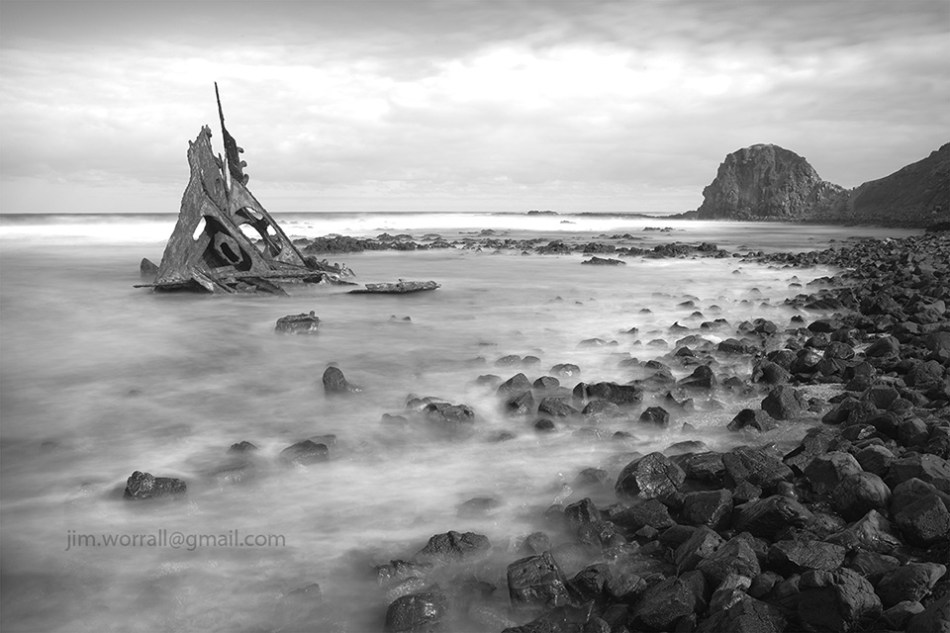
Here’s some images from the Kilcunda end of the George Bass Coastal Walk.
Below – 1.6 secs, f/8, ND400 filter.
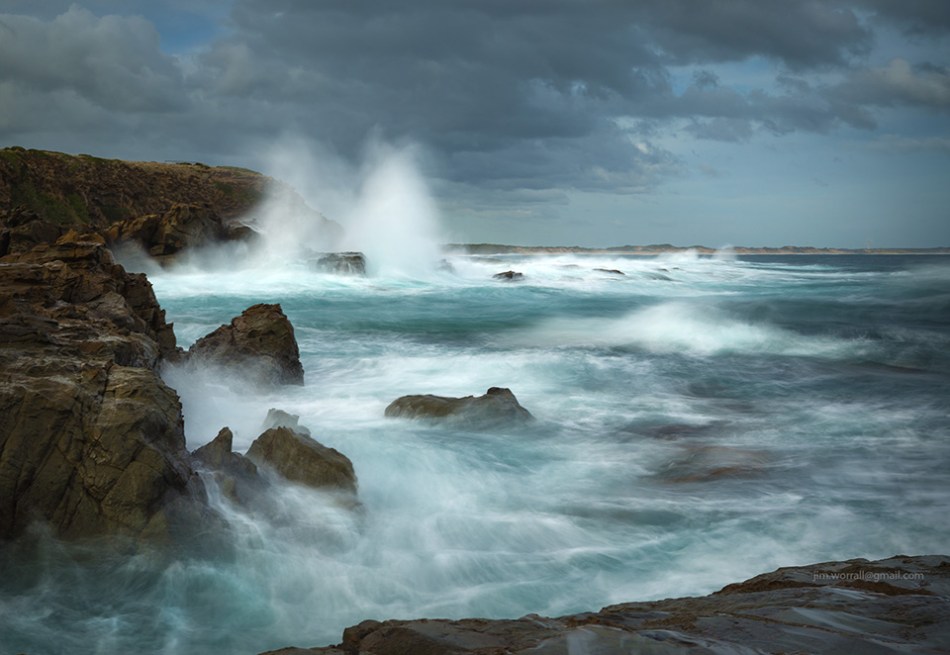
Below – 25 secs, f/14, ND400 filter.

Below – 8 secs, f/13, ND400
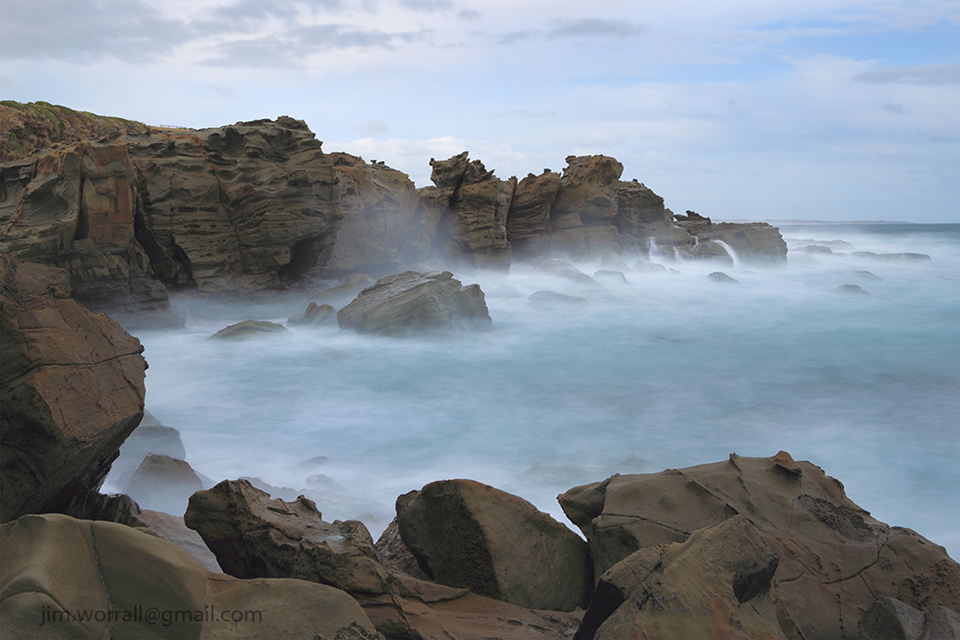
Below – 0.6 secs, f/4.5, filter ND400

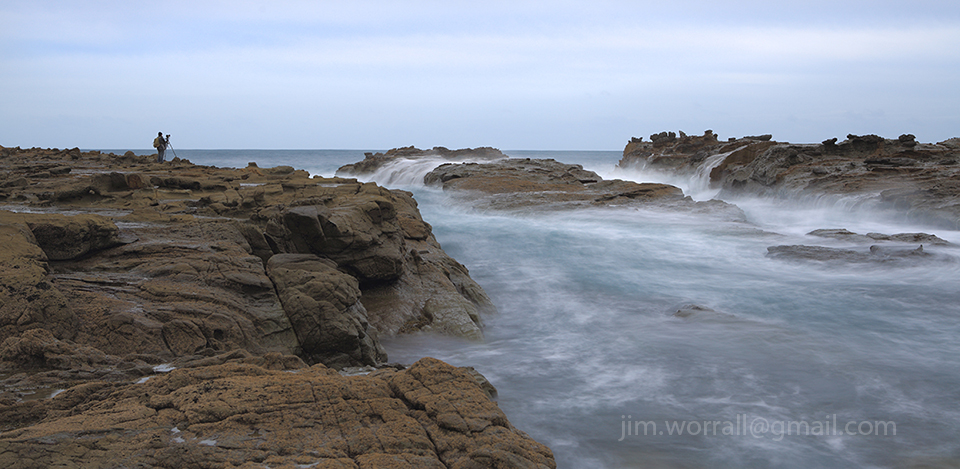
Below – Tog on a rock. Jason on the rock platforms at Kilcunda, taking in the scenery.

Pictured below, a long exposure image from St Andrews Beach on the Mornington Peninsula. 10 seconds at f/20 using an ND400 filter.
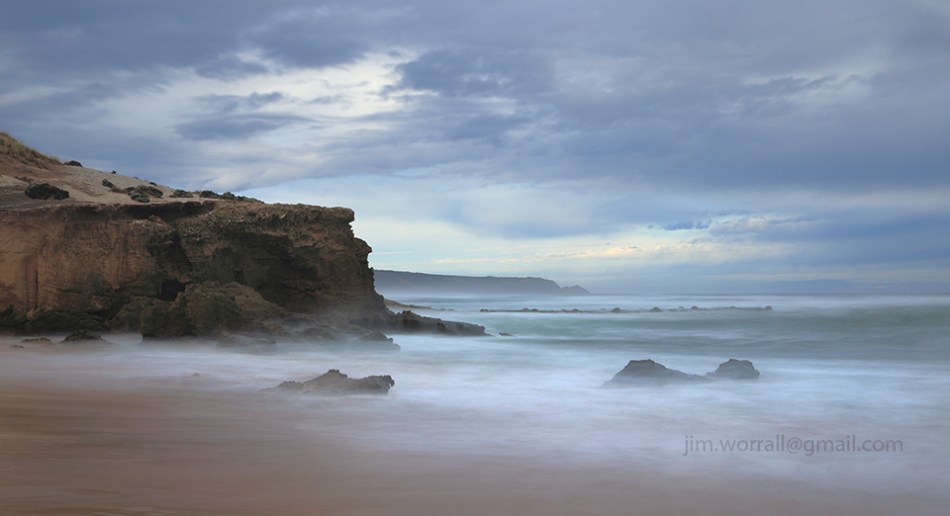
Pictured below, a bit of long exposure selfie fun at St Andrews Beach.
The rocky looking structure leading out into the ocean is a “treated water” discharge pipe.


Most photographers with a passion for seascape photography will admit that putting themselves out there close to the edge of a violent ocean provides them with a certain personal thrill and sense of exhilaration, ….and of course this keeps us coming back for more. 🙂
Pictured below, a couple of images from a recent trip to Tea Tree Creek beach near Flinders on the Mornington Peninsula. My friend Jason positioned nice ‘n close to the action.


A couple of long exposure images from Tea Tree Creek beach at Flinders on the Mornington Peninsula, Australia.
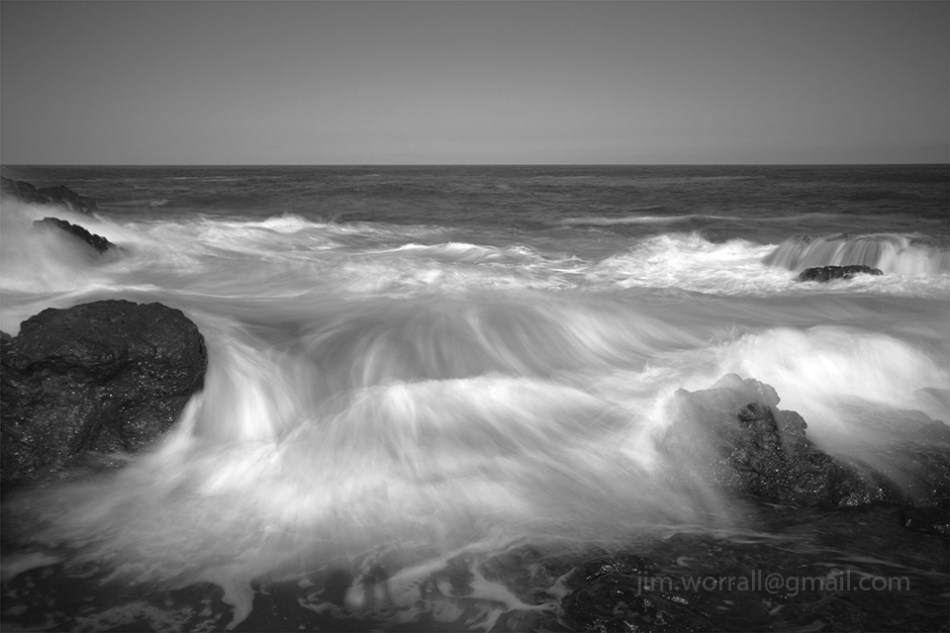
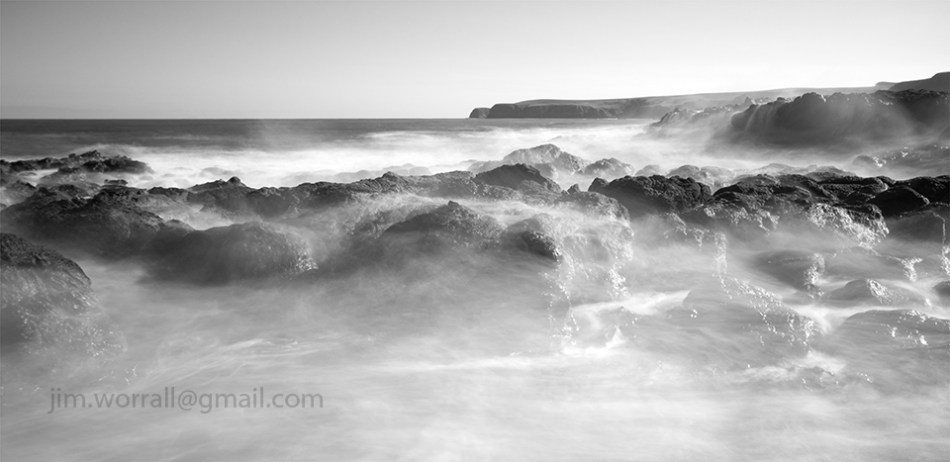
A long exposure view looking down from the clifftop towards the Pinnacles. 13 secs f/20.

Prehistoric Sunshine.
A long exposure from down on the beach at the Pinnacles. 15 secs f/16.


Sunset on a warm evening at Split Point beach.

A couple of long exposure images from Point Nepean on the Mornington Peninsula.
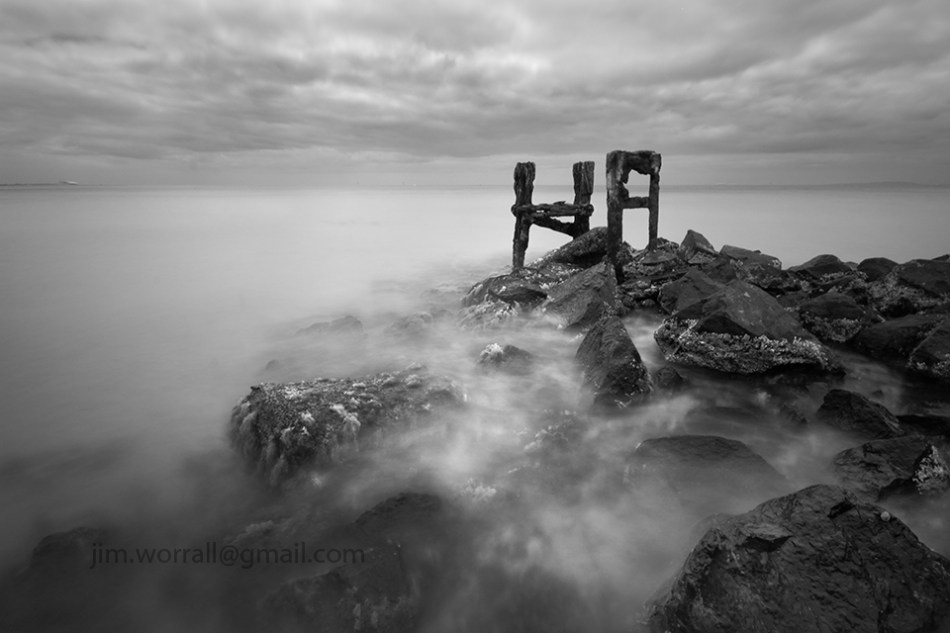
8 seconds f/20
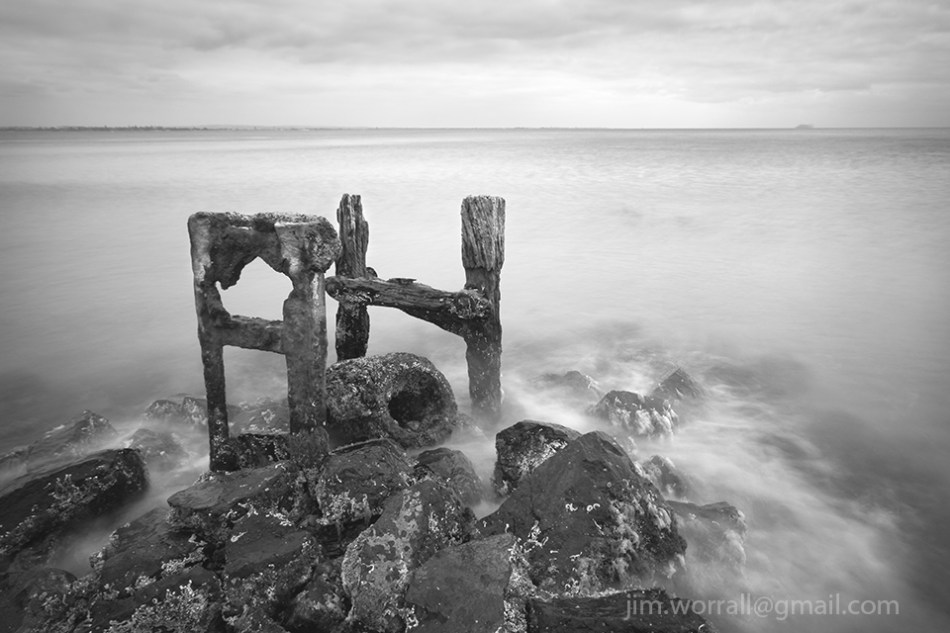
2.5 seconds f/11
A couple of long exposure images from Point Lonsdale.
5 seconds f/7.1 using an ND400 filter.

Some images from the wild n’woolly waters of Cape Schanck on the Mornington Peninsula.
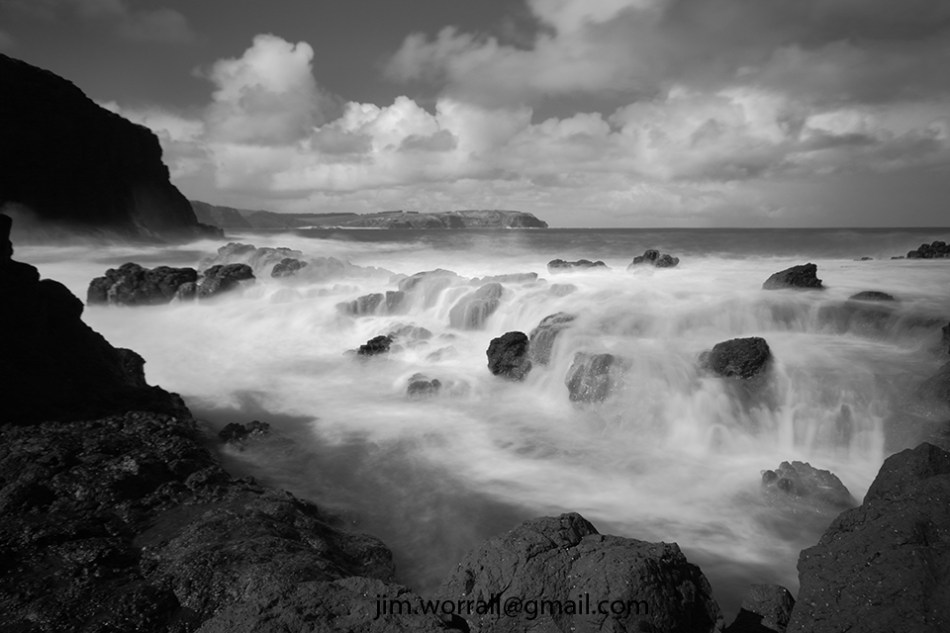

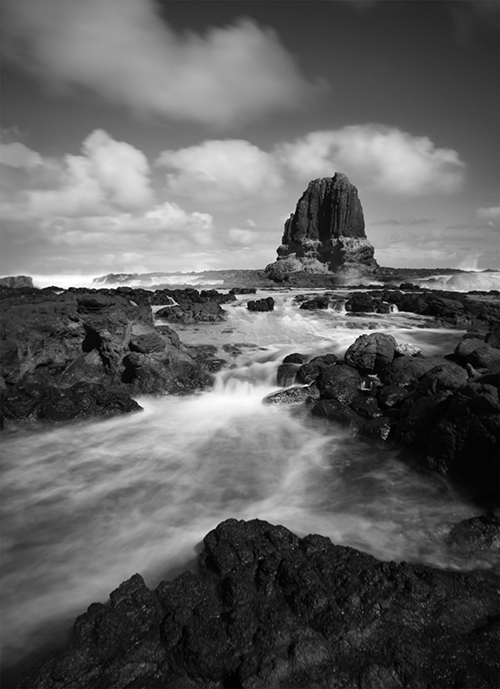
 Above – Behind the scenes.
 Above – Behind the scenes.
Following are some images from an excursion to the wild coastline at Bushrangers Bay on the Mornington Peninsula.
I highly recommend the 3km hike from the carpark at Cape Schanck lighthouse to Bushrangers Bay. The scenic track follows the coastline along clifftops and through bush.
The best time to visit Bushrangers Bay is at low tide which allows access to the rugged rock formations.
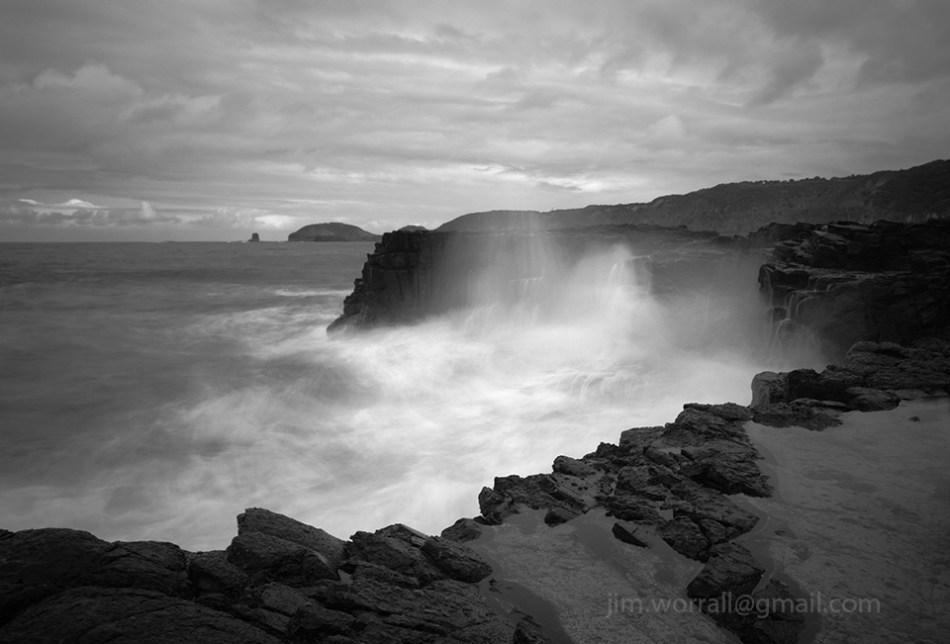 2.5 secs f/8 using an ND400 filter.
 4 secs f/8 using an ND400 filter.

Pictured above, my friend Alan lining up his next shot at Bushrangers Bay.
Pulpit Rock at Cape Schanck can be see on the horizon.

13 seconds f/8
A collection of long exposure images from St Andrews Beach on the beautiful Mornington Peninsula.
 10 seconds, f/13, iso100.
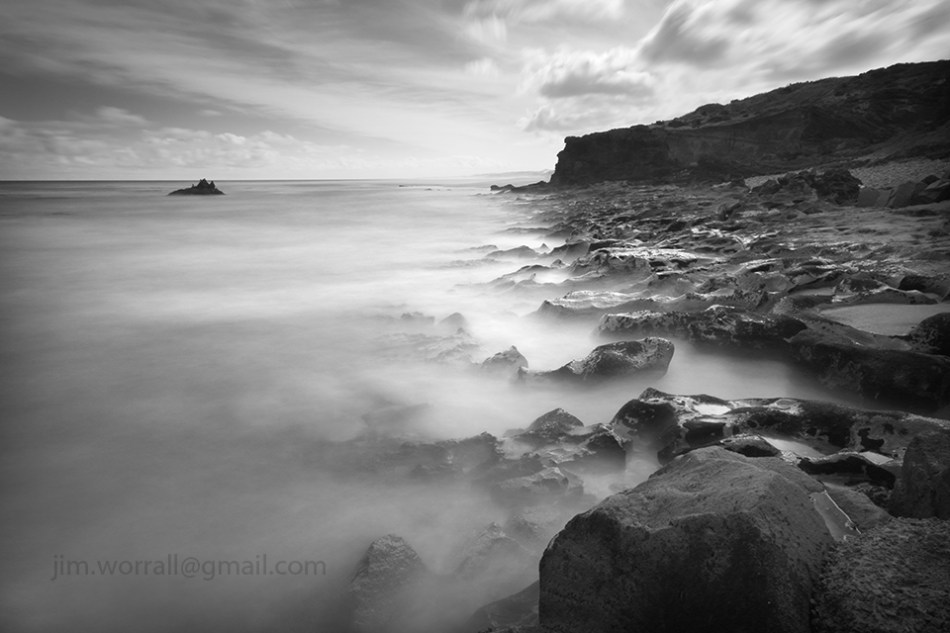 30 secs, f/18, iso 100.
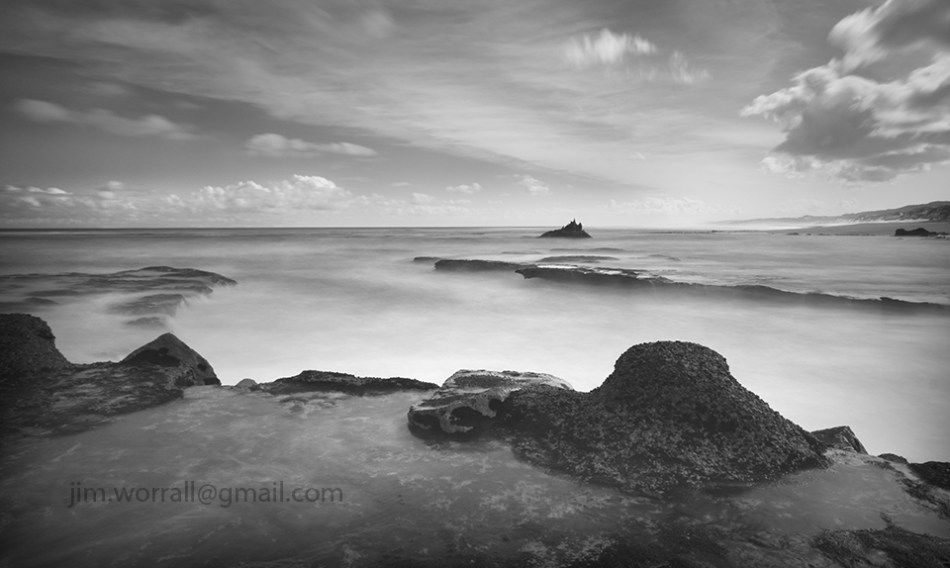 15 seconds, f/14, iso100.
 48 seconds, f/8, iso200.

A wave explodes against rocks at Cowrie Beach on Phillip Island. 1/60th second at f/8.
Sailors Falls is a beautiful spot just a few kilometres south of Daylesford on the Ballan-Daylesford Rd.
We were lucky enough to catch the falls with a decent flow of water going over the edge.
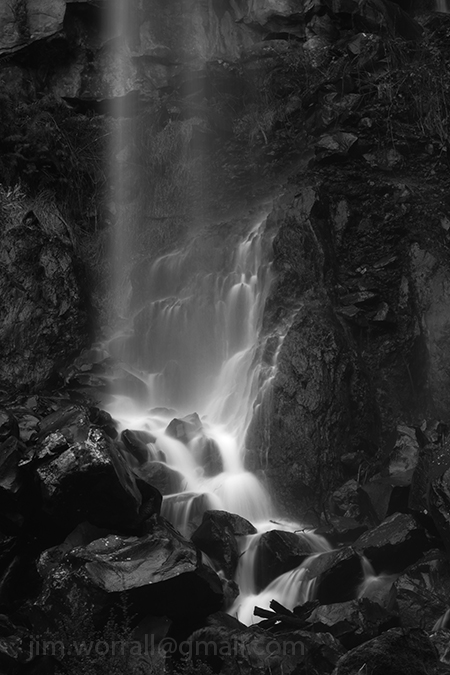
Sunrise at Koonya beach in Blairgowrie on the Mornington Peninsula.

A series of long exposure images from The Blowhole Track at Flinders back beach on the beautiful Mornington Peninsula..
Tech info – 360 sec f/8 iso 200

Tech info – 30 secs f/14 iso100

The Blowhole Track – Flinders.
20 secs f/11 iso100

Following are a couple of shorter exposures –
Tech info – 1.3 secs f/8 iso100
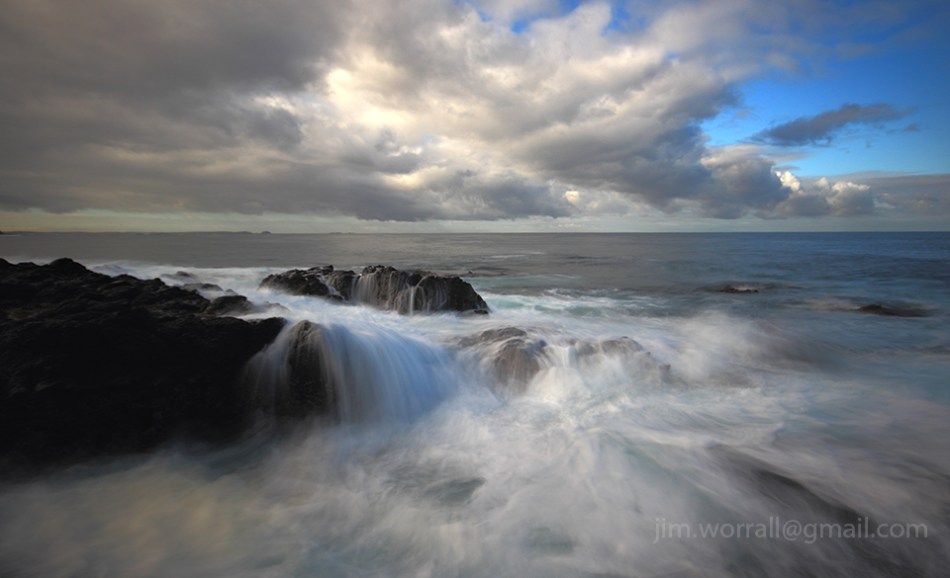
0.4 sec f/8 iso100

Ol’Woody is a popular mangrove tree at Tenby Point on Western Port Bay.
In this image the reflection in the water has been enhanced by smoothing the surface ripples using a 180 second exposure time made possible with dark ND filters.

This was certainly one of the more memorable excursions that my photo group has undertaken, …and in a bad way.
The rock selves at the end of Cape Schanck are hazardous at the best of times. On this particular visit two of our group members were caught off guard and knocked into water by an unexpectedly large wave.
Thankfully both guys are OK and came away from the experience with minor injuries. It could have been a lot worse.
Pictured below, the view from the rock platform at Pulpit Rock, Cape Schanck, looking across to Bushrangers Bay as the sun rises.
Pictured below, Pulpit Rock at the end of Cape Schanck.

Below are some Autumn images from the Alfred Nicholas Memorial Gardens in Sherbrooke.